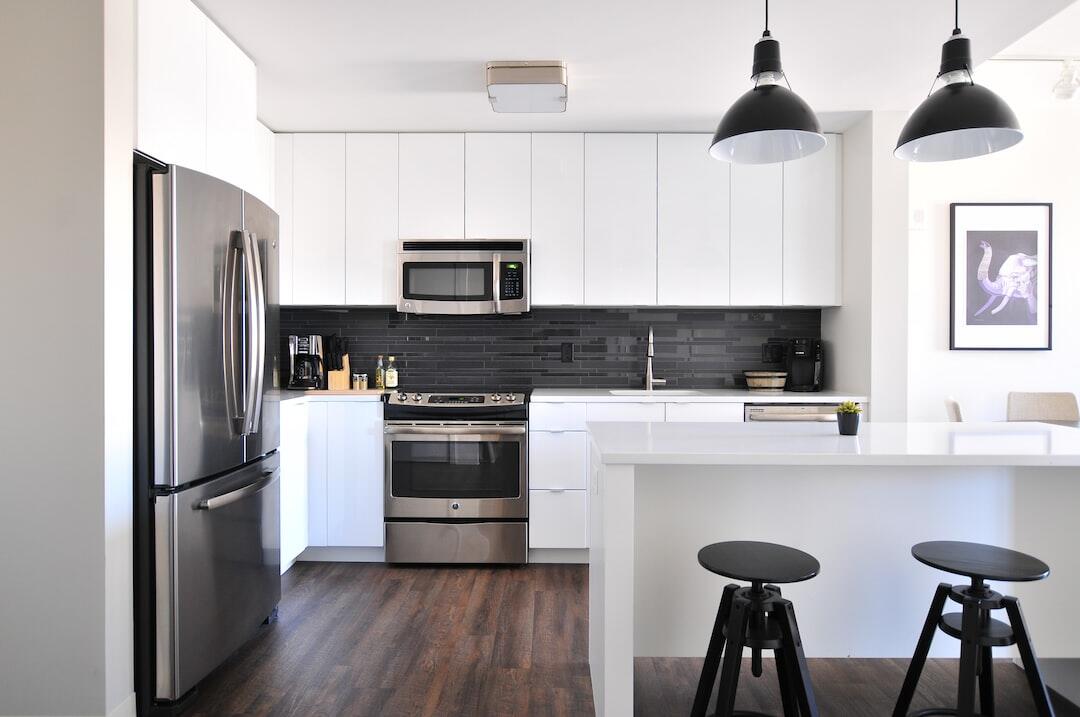
Unsplash.com royalty-free image #MP0bgaS_d1c, 'We hung that art piece by Tekuma artist Lulu Zheng, and I particularly loved how Lulu combines architecture and organic forms. Even if it is in the background, her 3D elephant brings the focus of the viewer towards her work.' uploaded by Naomi Hébert (<a href="https://unsplash.com/de/@naomish">https://unsplash.com/de/@naomish</a>), retrieved from https://unsplash.com/photos/MP0bgaS_d1c on July 20th, 2023. License details available at https://unsplash.com/license - image is licensed under the Unsplash License
July 28, 2025
August 1, 2025
Lease agreements can be quite restrictive in certain situations, such as if you want to move from your current home. You might not be able to do so without breaking the lease.
Whether you're relocating temporarily, taking a sabbatical, or just looking to cut rental costs, a sublease could be the solution you're looking for. However, navigating a sublease the right way takes more than just handing over the keys. If done incorrectly, it could violate your lease, cost you money, or even put you at legal risk.
Knowing how to find someone to sublease your apartment can simplify the process and enhance your flexibility. In this guide, we'll go over what you need to know to sublease your apartment successfully.
Keep reading for more.
A sublease (or sublet) is an agreement where the original tenant of a rental unit rents all or part of the property to another person, known as the subtenant. The original tenant remains on the lease and is still responsible to the landlord for rent and any damages.
In a sublease:
Let's say you signed a 12-month lease in Chicago, but you've just landed a 3-month remote job in Europe. Instead of paying rent on a place you're not using, you decide to sublease the apartment for those 3 months.
Your subtenant moves in, pays rent, and agrees to follow all the building rules. But if they damage the apartment or miss a payment, you're still liable.
Subleasing can provide flexibility and is a great way to save money, but there's also a level of risk. As such, you need to make sure you do it correctly.
There are many scenarios where subleasing makes practical and financial sense. Let's take a look at some of the most common examples.
You could be:
Subleasing lets you hold onto your apartment without paying for it while it's empty.
Breaking a lease often means paying expensive penalties or forfeiting your deposit. Subleasing allows you to transfer the burden of rent while technically keeping the lease intact.
If you plan to move in with a partner or into a new place but your lease overlaps for a couple of months, subleasing can help cover that gap and save you from paying double rent. While this isn't always simple, with proper timing, it can make your move significantly easier.
Subleasing a room or the entire unit temporarily could offer relief while you stabilize your income or negotiate your next steps. Quick sublease solutions can help minimize any losses.
Before listing your apartment, it's essential to understand the legal framework governing subleasing. Make sure you understand the rules in your area, along with the details of your specific lease agreement.
Look through your lease for clauses related to subletting or assignments. Some common phrases you might find:
Even if your lease does not mention the issue, it does not automatically mean subleasing is allowed. You'll need to check your local and state tenant laws as well.
It's not worth taking the risk and subleasing your apartment without being certain. You could find yourself in legal trouble that leads to further complications.
Laws vary widely across the US, so it's important to know what rules apply to you. For example:
You can usually find local laws through your city's housing department, a tenant advocacy group, or your state's attorney general website.
When discussing subleasing with your landlord, you should always get any approvals in writing. Verbal permissions are hard to prove and may not protect you legally if things go wrong.
Like any rental arrangement, subleasing has its advantages and disadvantages. Being aware of both can help you make an informed, strategic decision.
There are some key benefits of subleasing an apartment. These can be hugely beneficial depending on your personal situation:
While the above benefits can sound great, subleasing isn't always the best choice. It's important to weigh up these benefits against the potential drawbacks:
If you're not sure whether you trust a subtenant fully, it can be a good idea to rent just part of your unit (such as a single bedroom). By staying present, you'll have more control while still easing your rent burden.
If you have concluded that subleasing is the best option, it's now time to take action. Let's look at the first five essential steps in the subleasing process:
We covered this above, but it's worth repeating: never skip this step. The last thing you want is to move out and then discover your lease doesn't allow subleasing or (even worse) your landlord finds out and takes legal action.
Once you know subleasing is allowed (or might be with approval), send a formal written request to your landlord. Your letter or email should include:
Be polite and professional. Treat it like a business request, not a favor.
Even before you find a subtenant, start drafting your agreement. Having this ready will save time and make you look serious and trustworthy to potential renters.
Include sections covering:
Sublease tenant finding can be tricky, and this is one of the most important steps. Knowing where and how to secure a subtenant is crucial. You can use trusted platforms like Reazy Hub, your personal network, or local university housing boards.
Avoid shady platforms or listings that feel sketchy. The last thing you want to do is attract the wrong kind of tenant.
When communicating with potential subtenants, be upfront about:
Transparency sets clear expectations. It also helps you weed out mismatched applicants quickly.
Finding the right person to live in your apartment is the most important part of the subleasing process. You're handing over your home, your security deposit, and your reputation with your landlord, so it's worth doing right.
In an ideal situation, you'll be able to find someone you know to move in. Look through your own network of:
Your level of risk will be much lower if you can find someone who you already know and trust personally.
If you can't find anyone from your personal network, it's not a major issue. There are various platforms you can use to find a subtenant. Just make sure you use platforms you can trust.
Realzy Hub is the perfect example. We're dedicated to connecting landlords, tenants, and roommates in a safe and secure space. You can view verified profiles and select from potential applicants to ensure you get someone you're happy with.
Don't just accept the first person who shows interest. You should treat the process like a job application. Ask them about:
You may also want to make some requests of them for further verification. These could include:
You may initially feel a bit awkward going through all this, but you shouldn't cut any corners. The person you select will be living in your home, so you want to be sure they're not going to cause you any legal or financial problems.
A handshake agreement might work in some situations, but not with something like renting out your apartment. A sublease agreement protects you, sets clear expectations, and gives you legal recourse if things go sideways.
Some key elements you should have in the sublease contract include:
All of these are essential. There are also some optional elements that are typically recommended, such as:
Having everything in writing avoids confusion and gives you legal protection should a dispute arise.
The process doesn't end when your tenant moves in. It's an ongoing relationship that you need to sustain.
Firstly, you need to maintain effective communication. Even if you've moved away, your subtenant should be able to contact you when they need to. A monthly check-in (even by text) can be very helpful.
Additionally, you need to keep track of payments and documents. Keep a digital folder with:
A paper trail can help prevent misunderstandings and resolve disputes.
Sometimes, you may also need to act as a middleman. If your subtenant has a maintenance request or a neighbor complaint, they may come to you. Know when to step in and when to redirect them to the landlord.
All of these apartment subleasing tips can help, and working with Realzy Hub may be the best way to sublet your apartment. We understand the complexities of different subleasing strategies, and we know how to find someone to sublease your apartment.
Our goal is to connect people in the real estate space, providing reliable listings and profiles that make it easier for people to make decisions. We can help you choose from a selection of potential subtenants so that you can get someone reliable into your property as soon as possible.
Contact us today to find out more.


Comments